
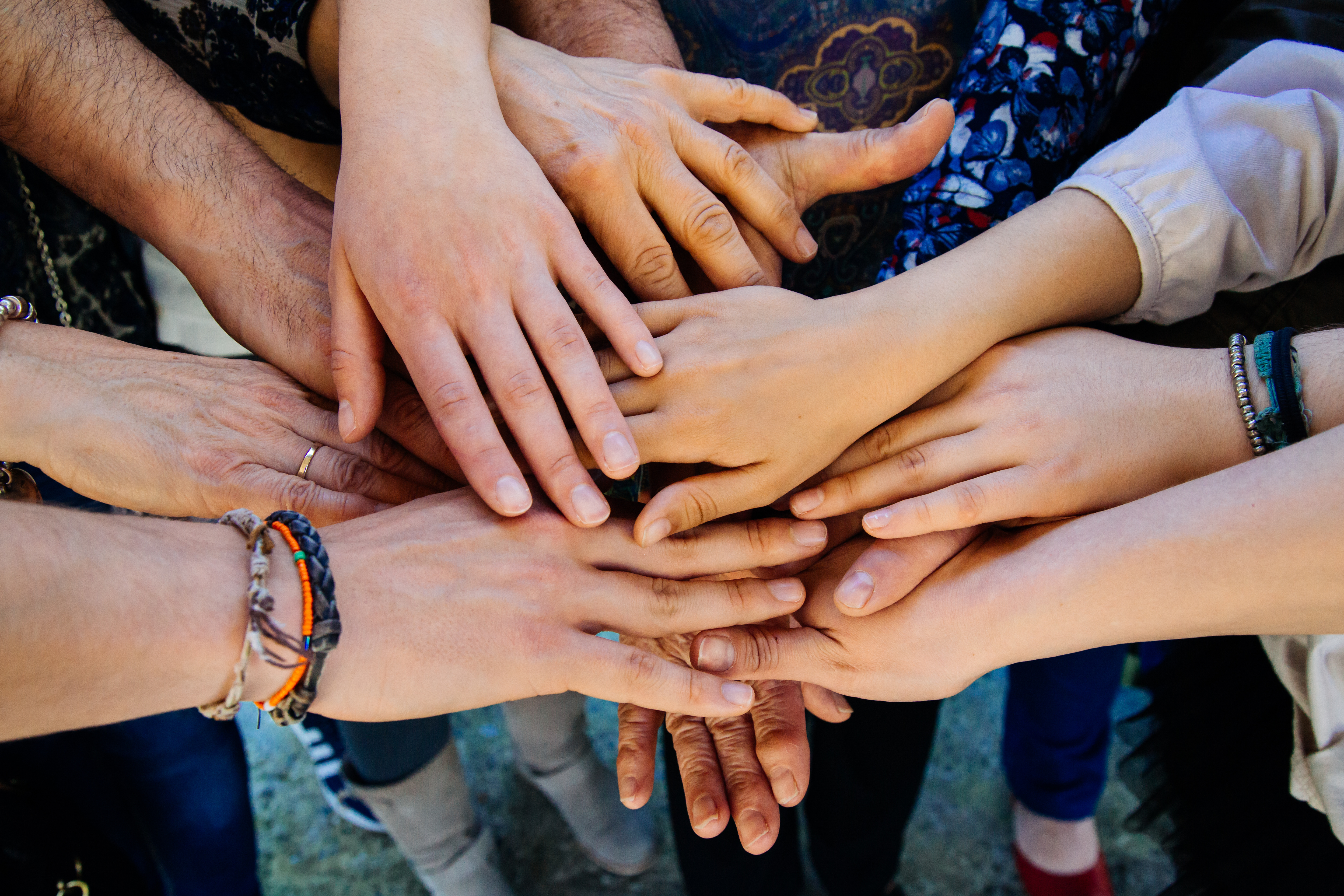
When an individual experiences a mental health condition or substance use disorder, the impact reaches far beyond the individual. Family members, partners, and close loved ones often feel the emotional toll deeply, experiencing worry, confusion, and exhaustion. Because addiction and mental health challenges affect the whole family unit, healing must involve the whole family as well.
Why Family Involvement Matters in Addiction Recovery
Research consistently demonstrates that family participation significantly enhances treatment engagement and long-term recovery success. Loved ones play a critical role in providing emotional encouragement and sustaining a supportive home environment.
However, well-intentioned family members often struggle to know how to help. Without proper education and guidance, families can fall into patterns of enabling or, conversely, heightened conflict. Family therapy transforms uncertainty into understanding, equipping relatives with the knowledge and tools required to support their loved one effectively.
Key Components of Family Therapy and Education
Comprehensive family programs offer a safe space for open communication and education. Core areas of focus include:
1. Understanding Addiction as a Health Condition
Learning the disease model of addiction helps families release guilt, shame, and blame. Understanding how substances alter brain function fosters empathy and shifts conversations from frustration to collaborative healing.
2. Establishing Healthy Boundaries
Supporting a loved one does not mean sacrificing your own well-being. Family therapy guides relatives in setting firm, compassionate boundaries that promote accountability while protecting personal mental health.
3. Rebuilding Trust and Communication
Chronic mental health or substance use challenges can strain family trust. Guided group sessions provide structured opportunities to address past hurt, practice active listening, and rebuild healthy relational dynamics.
4. Navigating Relapse Prevention as a Unit
Families learn to identify early signs of stress or potential return to use, enabling them to offer proactive support and connect their loved one with outpatient care before crisis points occur.
Supporting the Family’s Own Healing Journey
Family members deserve care and healing in their own right, independent of their loved one’s immediate progress. Participating in family education groups, peer support, and individual counseling gives relatives a dedicated outlet to process grief, reduce anxiety, and practice self-care. When family members are grounded and supported, the entire household becomes more resilient.
Family-Centered Outpatient Care at JADE Wellness Center
At JADE Wellness Center, family therapy and education are core components of our outpatient addiction recovery and mental health treatment services. Founded as a family-owned organization, JADE deeply understands the personal journey of addiction and is dedicated to restoring families across Pennsylvania.
If your family is ready to take the next step toward healing together, we are here to walk with you. Contact JADE Wellness Center today or visit myjadewellness.com to learn more about our family programs and outpatient services.
