
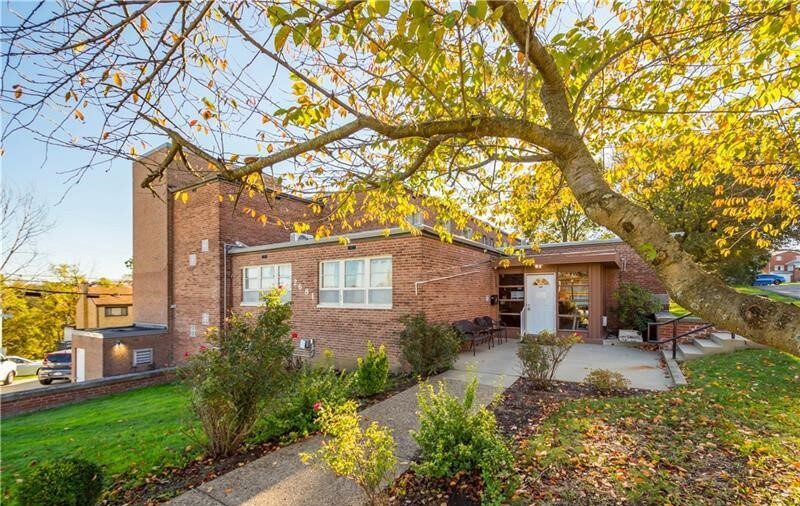
Achieving physical stabilization during early addiction treatment is an inspiring first step. However, maintaining long-term recovery requires a supportive, safe, and structured environment where healthy habits can take root. For many individuals transitioning through outpatient care, the physical and social surroundings make all the difference in building confidence and avoiding triggers.
The Challenge of Early Recovery Environments
Returning directly to an unstructured or high-stress environment can present significant obstacles for someone early in their recovery journey. Unresolved domestic tensions, social circles associated with past substance use, or an absence of daily routine can elevate stress and increase the risk of return to use.
Substance use recovery thrives in conditions that foster safety, predictability, and emotional calm. Structured living arrangements provide a supportive bridge between clinical care and independent life, giving residents time to practice new skills in a real-world setting.
The SEA Model: Structure, Expectations, and Accountability
At the heart of high-quality recovery housing is a framework designed to build autonomy while offering continuous support. The SEA model focuses on three essential pillars:
Structure
Structure replaces chaos with predictable routines. Daily schedules, regular house meetings, and required participation in outpatient care or peer support groups help residents establish healthy habits. Consistent wake times, meal schedules, and shared responsibilities bring order to daily life.
Expectations
Clear expectations establish boundaries that protect the entire community. Guidelines around sobriety, respect for housemates, curfews, and personal responsibility ensure that the living environment remains peaceful, safe, and encouraging for everyone.
Accountability
Accountability in recovery is not about punishment; it is about loving support and personal growth. Through regular drug screenings, check-ins with house staff, and peer encouragement, residents learn to take ownership of their choices within a non-judgmental framework.
The Role of Peer Support in Recovery Housing
Living alongside peers who share similar goals creates a powerful sense of community. Structured housing environments often integrate Certified Recovery Specialists (CRS) and trained house managers who provide 24/7 encouragement and guidance. Sharing meals, discussing daily challenges, and celebrating milestones together reinforces that no one has to walk the path of recovery alone.
Specialized Recovery Housing at JADE Wellness Center
JADE Wellness Center is proud to offer specialized recovery housing built around the SEA model, such as John Ryan’s House in Pennsylvania. Designed to foster personal development and independence, our recovery housing integrates directly with our CARF-accredited outpatient mental health and addiction treatment programs.
Whether you are seeking structured sober housing or comprehensive outpatient care, JADE Wellness Center provides the guidance and sanctuary you need to thrive. Visit myjadewellness.com or contact our team today to explore our recovery housing options.
