If you’ve ever stood outside a recovery meeting, you know the scene. Coffee in one hand, cigarette in the other, people sharing the hardest moments of their lives in a cloud of smoke. For many people, smoking feels like the one thing they’re allowed to keep.
So when someone suggests quitting tobacco too, the reaction is often, “Not now. I’m already giving up enough.” That feeling makes complete sense. But the research tells a different story, and it’s worth hearing before the American Cancer Society’s Great American Smokeout on Thursday, November 19, 2026.
Why smoking is so common in recovery
Tobacco use is far more common among people with substance use disorders than in the general public. Researchers at Case Western Reserve University have noted that up to three out of four people with addiction smoke, compared with roughly one in four adults overall at the time of their study.
The reasons are understandable. Nicotine eases stress fast. Smoking fills the hands and the time that drinking or using used to fill. And cigarette breaks are often where the real connection happens in early recovery.
The “one thing at a time” myth
Many people have heard that you shouldn’t quit everything at once. It sounds like wisdom, but studies haven’t backed it up.
A meta-analysis of 19 randomized trials found that offering smoking cessation help during addiction treatment was linked to a 25% greater chance of long-term abstinence from alcohol and other drugs. The authors concluded that quitting tobacco seemed to strengthen sobriety rather than threaten it.
Newer work points the same way. A large national study reviewed by The Carlat Addiction Treatment Report in July 2026 found that quitting smoking in one year predicted recovery from other substances the next year. Quitting was not linked to worsening mental health.
What quitting can do for cravings
There’s a practical reason this may work. Smoking and drinking or using are often wired together: the same places, the same people, the same moments. Every cigarette can be a quiet reminder of the old pattern.
In one study of teens in residential treatment, those who stopped smoking left with lower cravings for alcohol and drugs than those who kept smoking. Fewer triggers, fewer reminders.
How to use November 19 without overwhelming yourself
The Smokeout doesn’t ask you to quit forever on one day. It asks you to try 24 hours, or to set a quit date. Here are a few ways to make that manageable.
- Talk to your treatment team first. Nicotine replacement and certain medications can roughly double your odds of quitting. Your provider can help you choose options that fit with any medication you already take.
- Pick your hardest cigarette and plan for it. For most people it’s the first one in the morning or the one after a meeting. Decide now what you’ll do instead.
- Change the ritual, not just the habit. Walk the block with a friend after group. Keep gum or a water bottle where your pack used to be.
- Tell your peer support person. A Certified Recovery Specialist has likely heard every worry you have and can help you through the first week.
- Expect a slip and treat it as information. If you smoke on day three, it doesn’t erase days one and two. Look at what triggered it and adjust.
One hard change builds confidence for the next
People who quit tobacco during recovery often describe a boost in confidence that spills into everything else. Proving to yourself that you can handle one hard change is evidence you can handle the next.
Frequently asked questions
Will quitting smoking make me relapse?
Research suggests the opposite. Studies have found that quitting tobacco during or after addiction treatment is linked to equal or better sobriety outcomes, not worse ones.
When is the Great American Smokeout in 2026?
The Great American Smokeout is Thursday, November 19, 2026. It’s held on the third Thursday of November each year.
Can I use nicotine replacement if I’m on Suboxone or Vivitrol?
Many people can, but your situation is unique. Ask your prescriber which quit aids are right for you before starting.
Does vaping count?
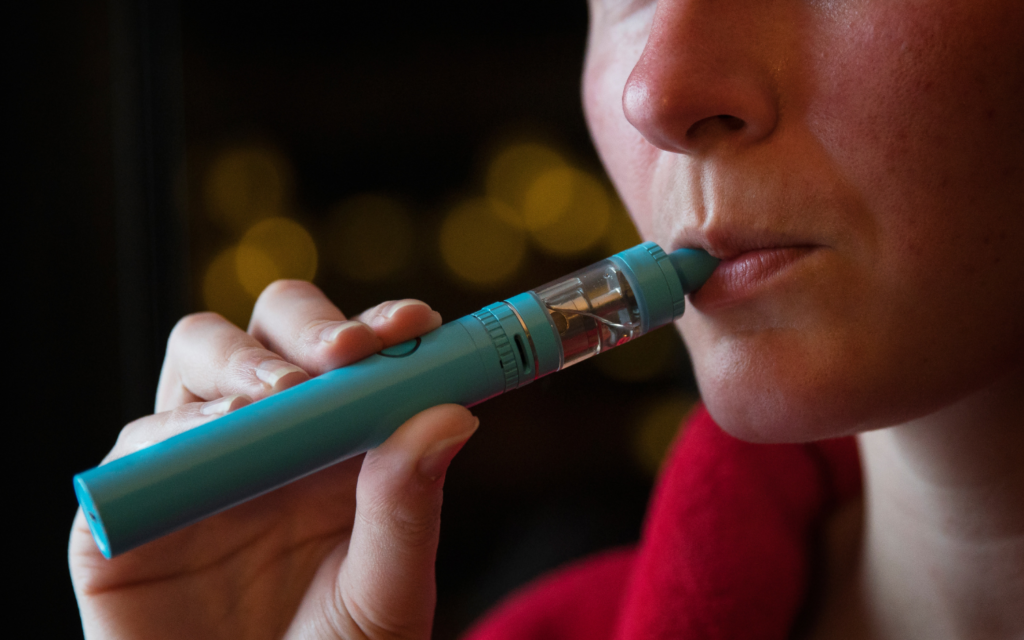
Yes. Vapes and nicotine pouches deliver nicotine, which keeps the addiction cycle going. The same support applies.
Ready to take the first step?
JADE Wellness Center’s Tobacco Recovery Program helps patients quit nicotine alongside their substance use treatment, so you don’t have to choose between the two. Call 412-380-0100 or request an appointment to learn more.