
The journey to recovery is rarely a straight line. For many individuals in Pennsylvania, the most challenging part of the process isn’t the initial decision to seek help—it is the transition from a highly structured clinical environment back into a world filled with old triggers and stressors. This “gap” in the continuum of care is where many people find themselves struggling to maintain the momentum they gained in treatment.
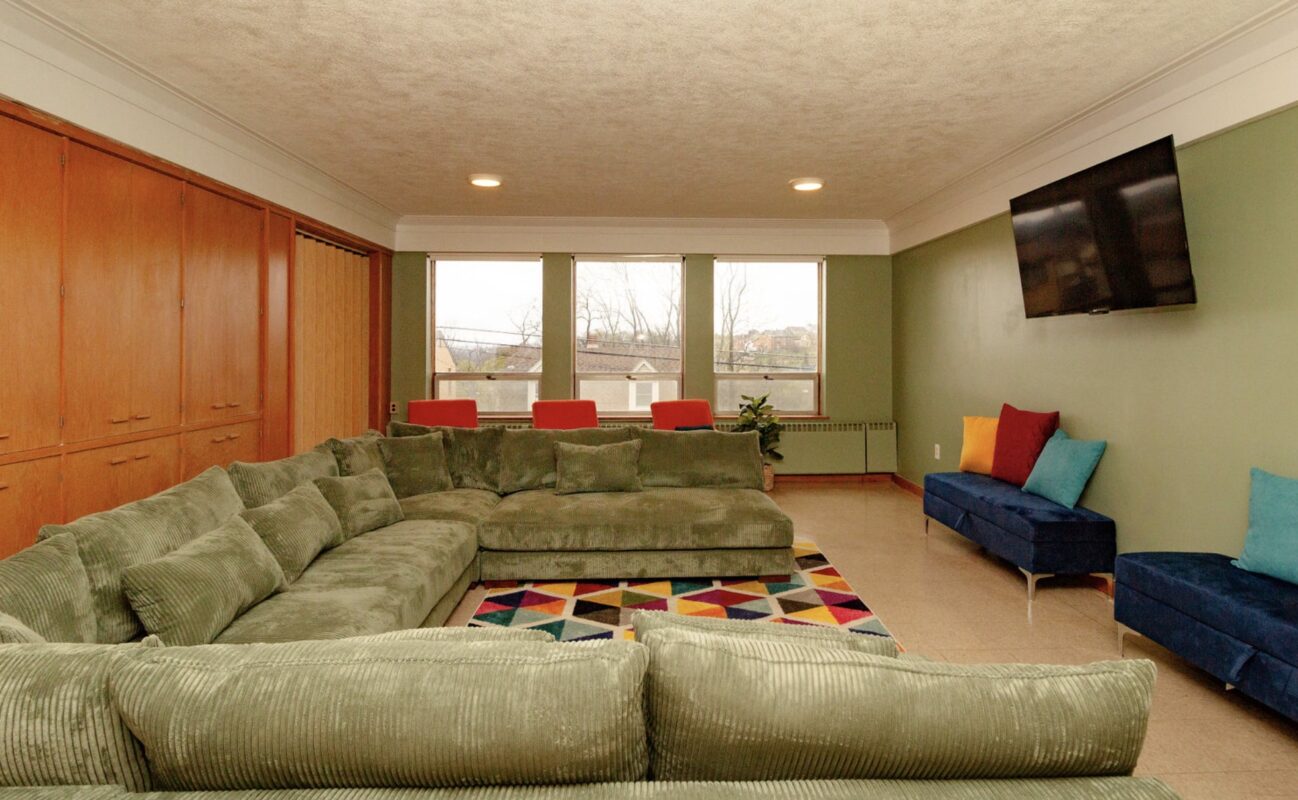
At JADE Wellness Center, we recognize that recovery requires more than just clinical intervention; it requires a safe, stable environment where new habits can take root. This is why our specialized recovery housing utilizes the SEA model: Structure, Expectations, and Accountability. By providing a framework for daily living, we help our residents build a foundation that supports long-term wellness and independence.
What is the SEA Model?
The SEA model is a specialized approach to recovery housing that focuses on three core pillars essential for personal growth. It is designed to replace the chaos of active addiction with the predictability of a healthy, goal-oriented life.
Structure: In the early stages of recovery, “empty time” can be a significant trigger. Our housing provides a daily roadmap that includes attendance at therapy sessions, community meetings, and shared household responsibilities. This structure helps retrain the brain to find comfort in routine rather than the unpredictability of substance use.
Expectations: We believe that everyone has the capacity for growth. By setting clear expectations—such as maintaining employment, attending outpatient sessions at our Wexford or Monroeville locations, and contributing to the household—we help residents reclaim their sense of purpose. When a person is expected to show up for themselves and others, they begin to rebuild their self-esteem.
Accountability: Recovery is a team effort. Accountability in our SEA homes isn’t about punishment; it’s about support. Regular check-ins with peer recovery specialists and clinical staff ensure that residents are staying true to their personal recovery goals. If someone stumbles, the community is there to help them get back on track immediately.
Why Accessibility in Housing Matters
For many people in Western Pennsylvania, the logistics of finding safe housing can feel overwhelming. A lack of stable housing is one of the most significant “social determinants of health” that can deter someone from getting help. By offering recovery housing that is closely integrated with our outpatient services, JADE removes the barrier of having to navigate two different systems.
Our homes are located in areas that allow for easy access to our clinical centers, ensuring that residents can attend their Medication-Assisted Treatment (MAT) appointments or group therapy sessions without the stress of a long commute. This proximity creates a seamless loop of support that surrounds the individual on all sides.
Do Structured Recovery Homes Work?
Yes—and the results speak for themselves. Data consistently shows that individuals who live in structured, drug-free environments while attending outpatient treatment have significantly better outcomes. They are more likely to stay engaged in therapy, maintain employment, and avoid the “revolving door” of inpatient stays.
The SEA model works because it addresses the “whole person.” It understands that addiction is a mental health issue that affects every aspect of a person’s life, from their physical health to their living situation. By stabilizing the environment, we give the clinical work a chance to truly succeed.
Beyond the Four Walls: A Whole-Person Approach
While the SEA model provides the physical and social framework, it works in tandem with JADE’s broader suite of services. Residents in our housing have direct access to:
- Certified Recovery Specialists (CRS): Peers who have walked the path of recovery and provide one-on-one mentorship.
- Integrated Mental Health Care: Addressing co-occurring disorders like anxiety or depression.
- Family Education: Helping loved ones understand the SEA model so they can provide healthy support.
Looking Ahead: The Future of Recovery in Pennsylvania
As we continue to navigate the public health challenges of the 2020s, the need for high-quality recovery housing has never been greater. At JADE Wellness Center, we are committed to expanding these opportunities and ensuring that every member of our community has a safe place to land.
By meeting people with respect and providing the “SEA” of support they need, we are helping rewrite the story of recovery in our communities. If you or a loved one are ready to take the next step, our doors—and our homes—are open.
Learn more about our specialized recovery housing and current availability by visiting: myjadewellness.com/recovery-housing
